Get Tree Cabling Service
Tree cabling services help property owners stabilize and support weak or damaged branches and limbs, preventing hazards and ensuring tree safety through professional installation.
Tree cabling services are a practical solution for property owners seeking to support and preserve the health of mature or fragile trees. Proper cabling can help prevent limb failure, reduce the risk of damage during storms, and extend the longevity of valuable trees on a property. For those planning landscape improvements or managing trees in high-traffic areas, working with experienced local contractors ensures that the work is tailored to the specific needs of the trees and the property.
Exploring options for tree cabling involves comparing the expertise and approaches of nearby service providers. Property owners are encouraged to consider the qualifications and experience of local contractors to find a solution that aligns with their project goals. Continuing to read can help identify the benefits of professional tree cabling and how to connect with trusted local service providers for the work.
- Tree Cabling Installation - when trees require support systems to prevent branch or limb failure.
- Tree Cabling Inspection - for assessing the stability of existing cabling and identifying potential hazards.
- Tree Cabling Repair - if existing cabling has become damaged or worn, needing professional restoration.
- Tree Risk Assessment - to evaluate the stability of trees with heavy or weak branches that may pose safety concerns.
- Tree Cabling Removal - when existing cabling or supports need to be safely taken down due to obsolescence or hazards.
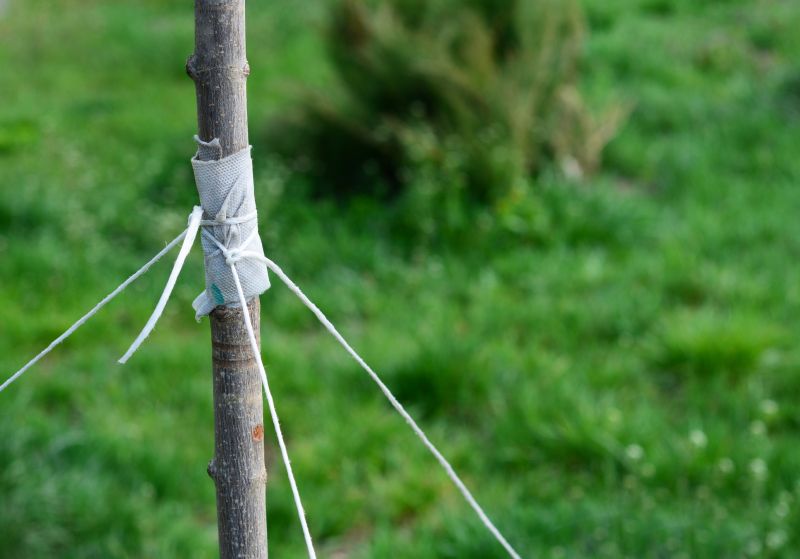
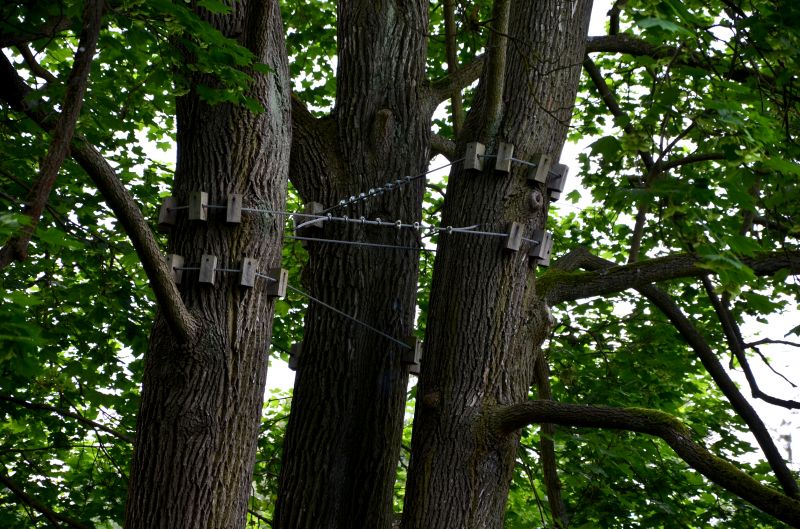
Tree cabling services involve installing strong, flexible support systems to help stabilize and protect trees that may be at risk of damage or failure. This process typically includes attaching durable cables or braces to the tree’s branches or trunk, providing additional support to prevent limbs from splitting or breaking during storms, high winds, or under the weight of heavy snow. The goal is to reinforce the tree’s structure, helping to maintain its health and stability over time while reducing the likelihood of falling limbs that could cause property damage or injury.
This service is particularly valuable for addressing common problems such as weak or damaged branches, leaning trees, or trees with multiple trunks that are prone to splitting. It can also help preserve mature trees that have become structurally compromised due to age, storm damage, or disease. By providing supplemental support, tree cabling can extend the lifespan of valuable landscape trees and prevent costly repairs or safety hazards associated with falling limbs or trees. It’s a practical solution for property owners who want to maintain the safety and appearance of their trees without removing them.
Properties that often benefit from tree cabling include residential yards with large, mature trees, commercial properties with landscaped grounds, parks, and golf courses. These locations typically have high foot traffic or valuable assets nearby, making the prevention of fallen branches or trees especially important. Tree cabling is also used in settings where preserving the natural landscape is a priority, as it allows trees to remain healthy and upright while minimizing risk. Homeowners, property managers, and landscape professionals frequently seek out this service to ensure their trees are properly supported and their properties remain safe.
When considering tree cabling services, property owners should look for local contractors experienced in tree support systems. These professionals assess the specific needs of each tree, determining where cables or braces can be most effective. They then install the necessary hardware carefully to avoid damaging the tree’s bark or structure. This service is an effective way to address existing structural issues and prevent future problems, helping to keep trees healthy and safe for years to come. Contacting local pros can provide the expertise needed to evaluate and implement the right support solutions for any property.
The overview below groups typical Tree Cabling Service projects into broad ranges so you can see how smaller, mid-sized, and larger jobs often compare in your area.
In many markets, a large share of routine jobs stays in the lower and middle ranges, while only a smaller percentage of projects moves into the highest bands when the work is more complex or site conditions are harder than average.
Smaller Repairs - Most routine tree cabling jobs typically cost between $250 and $600. These projects usually involve reinforcing a few branches or securing a single tree with minimal equipment. Many local contractors handle jobs in this range regularly.
Moderate Installations - Medium-sized projects, such as cabling multiple trees or larger branches, generally fall between $600 and $1,500. These jobs are common for homeowners seeking added safety and support for mature trees.
Large-Scale Projects - Extensive tree cabling work, including multiple trees or complex configurations, can range from $1,500 to $3,500. Fewer projects reach into this tier, but they often involve detailed planning and specialized equipment.
Full Tree Support or Replacement - Larger, more complex projects, such as complete tree support systems or significant replacements, can exceed $5,000. These are less common and typically involve highly specialized services from local pros.
Actual totals will depend on details like access to the work area, the scope of the project, and the materials selected, so use these as general starting points rather than exact figures.
Tree Trimming and Pruning Projects - These projects require knowledge of tree structure and the use of similar tools to ensure proper support and health of trees through cabling systems.
Utility Line Support Installations - Installing support systems for utility lines involves planning and the use of durable cabling materials, similar to tree cabling techniques.
Landscape Tree Support Systems - Providing structural support for mature or fragile trees in landscapes involves planning and installing cabling and bracing solutions.
Urban Tree Stabilization Projects - Stabilizing trees in urban environments often requires specialized cabling and planning skills comparable to those used in tree cabling services.
Ornamental Tree Installation - Installing decorative or specialty trees may involve cabling for support, requiring similar planning and tool use as tree cabling projects.
Tree Risk Assessment and Support Planning - Assessing tree stability and designing support solutions involves similar evaluation and planning skills used in tree cabling services.
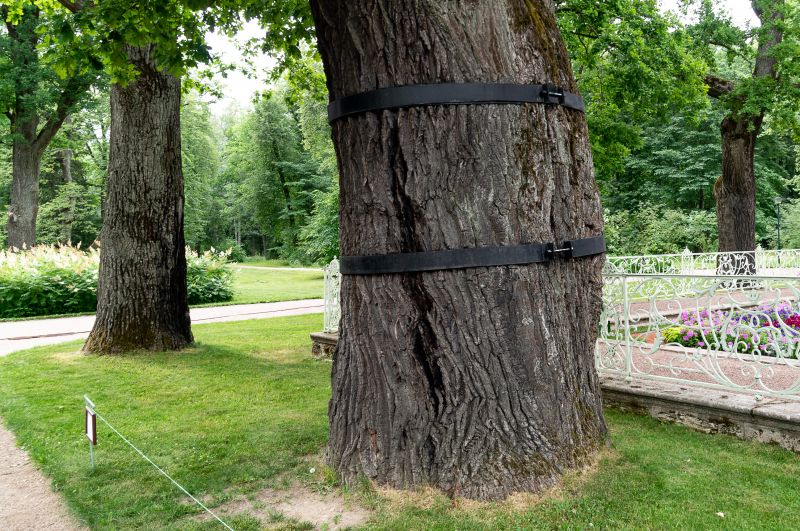
When comparing local contractors for tree cabling services, it’s important to consider their experience with similar projects. Homeowners should look for service providers who have a proven track record in installing tree cabling systems, especially in situations that resemble their own trees and landscape conditions. An experienced contractor will understand the nuances of different tree species, growth patterns, and potential challenges, helping to ensure the job is done effectively and safely.
Clear written expectations are essential when evaluating potential service providers. Homeowners should seek out contractors who provide detailed descriptions of their services, including the scope of work, materials used, and any guarantees or warranties offered. Having this information in writing helps prevent misunderstandings and ensures that both parties are aligned on what the project entails, leading to a smoother process and a more satisfactory outcome.
Reputable references and good communication are key factors in choosing a reliable provider. Homeowners are encouraged to ask for references from previous clients or to seek reviews that speak to the contractor’s professionalism, quality of work, and responsiveness. A contractor who communicates clearly and promptly demonstrates a commitment to customer service and makes it easier to address questions or concerns throughout the project. It’s worth noting that this site introduces homeowners to local options, not that it performs the work itself, so gathering firsthand insights from previous clients can be especially valuable.
Property owners use Tree Cabling Service services for practical projects around their homes and businesses. This guide focuses on everyday jobs and straightforward project options.
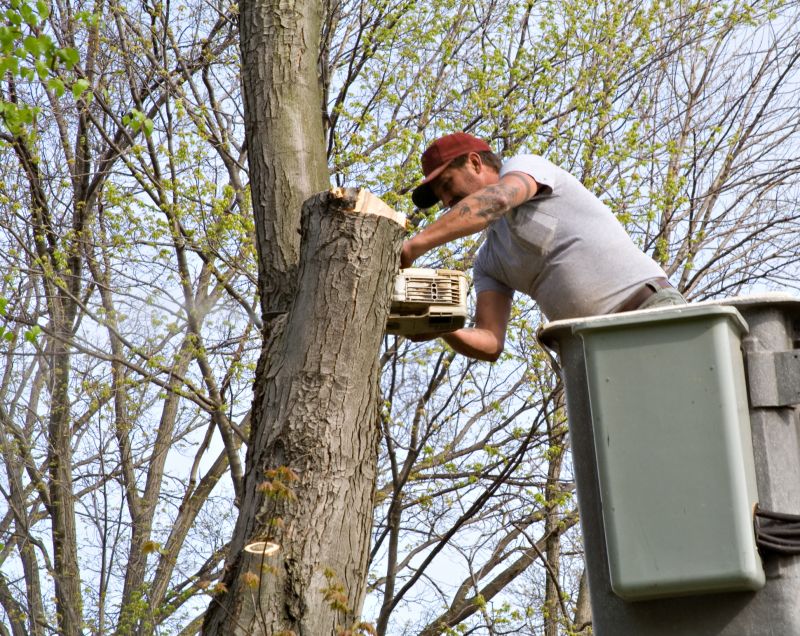
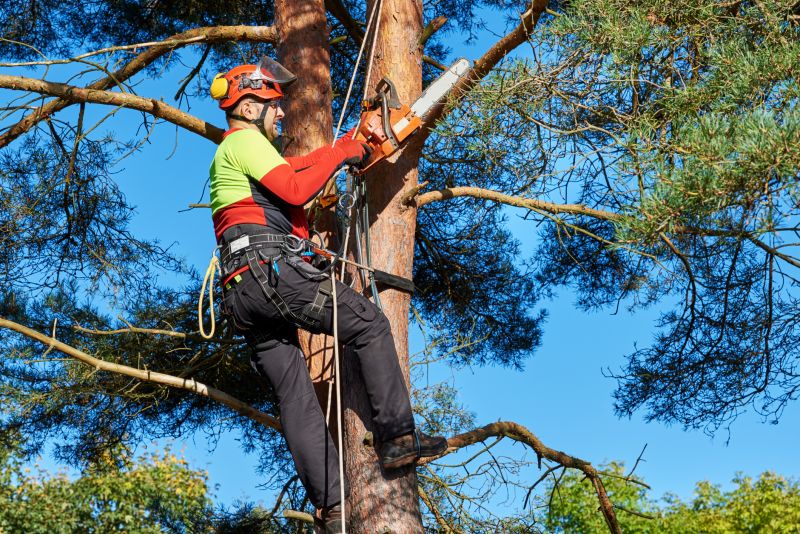
Tree cabling services are often needed when property owners notice that their trees have weak branches, cracks, or signs of damage that could pose a risk during storms or high winds. Local contractors can install supportive cabling systems to help stabilize these trees, reducing the chance of limbs breaking off and causing property damage or injury. Additionally, property owners may seek tree cabling to preserve valuable or historic trees that require extra support to maintain their health and appearance over time.
In everyday situations, homeowners or business owners might want to prevent potential hazards caused by leaning or unstable trees on their property. Local service providers can assess the condition of the trees and implement cabling solutions to improve stability. This proactive approach can help avoid costly repairs or safety concerns, making tree cabling a practical option for maintaining the safety and integrity of outdoor spaces.
What is tree cabling service? Tree cabling service involves installing support systems to help stabilize and protect trees that have structural weaknesses or are at risk of damage.
Why should I consider tree cabling? Tree cabling can help prevent branches or limbs from breaking, reducing the risk of property damage or injury, especially for mature or weakened trees.
What types of trees can benefit from cabling? Many types of mature or structurally compromised trees can benefit, including those with co-dominant stems, cracks, or heavy branch loads.
How do local contractors determine the need for cabling? They assess the tree’s structure, health, and risk factors to recommend appropriate cabling or support solutions.
Is tree cabling a permanent solution? Tree cabling is designed to provide long-term support, but regular inspections may be recommended to ensure continued effectiveness.
Tree Support and Stability - Tree cabling services help stabilize weak or damaged branches to prevent breakage during storms or high winds.
Protecting Property and People - Proper cabling reduces the risk of falling limbs that could cause injury or damage to structures.
Preserving Mature Trees - Cabling can support aging or valuable trees, helping them remain healthy and safe over time.
Enhancing Tree Health and Growth - Service providers can install cabling to improve tree structure, promoting better growth and reducing stress.
If you are thinking about Tree Cabling Service for a property, this guide is meant to help you understand the work, the typical project types, and how different options might fit your plans.
When you are ready, you can use the quote form on this page to share a few details about your project. From there, local pros can review the basics and respond with options that match what you have in mind.